

Hearing Aid Repair and Care: Domes, Wax Guards, and Cleaning Tips
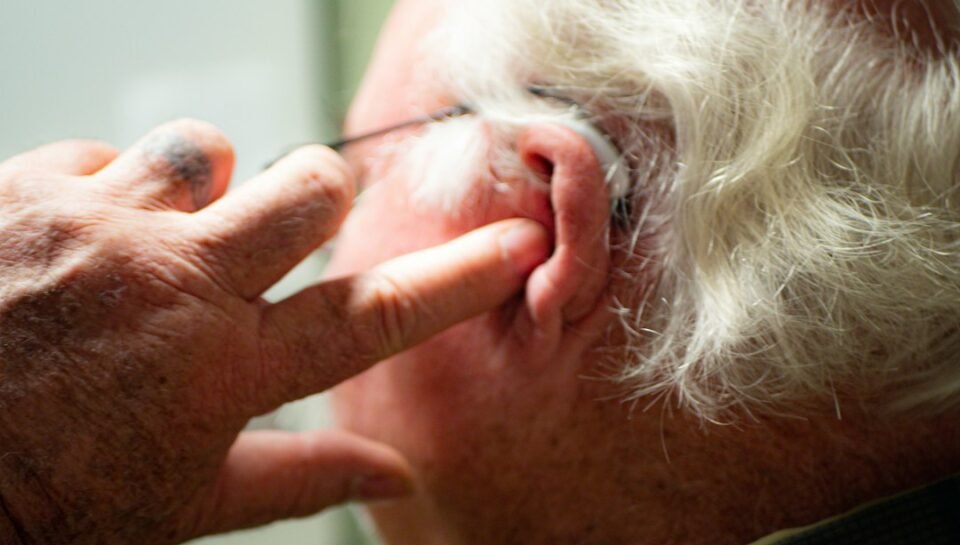
Hearing aids work hard every day in a warm, moist environment full of earwax. A few minutes of care each day prevents most problems. Here is how to keep your hearing aids working, and when it is time for a professional repair.
Daily cleaning routine
- Wipe the hearing aids with a dry, soft cloth or tissue each night.
- Use the small brush from your cleaning kit to clear wax from the microphone ports and the dome or earmold.
- Never use water, alcohol, or household cleaners unless your audiologist says it is safe.
- Store them in the charger or a drying case overnight.
What is in a hearing aid cleaning kit?
A basic kit usually includes a soft brush, a wax loop or pick, and a cleaning cloth. Some include a drying container. Ask your audiologist which tools fit your model, since some parts are delicate.
Hearing aid domes: sizes and replacement
Domes are the small soft silicone tips on receiver-in-canal and many behind-the-ear hearing aids. They come in different sizes and types:
- Open domes: let natural sound in. Common for mild high-pitch hearing loss.
- Closed or power domes: seal the ear more for more low-pitch sound.
- Sizes: usually small, medium, and large. A dome that is too loose can cause whistling; too tight can be uncomfortable.
Many manufacturers suggest changing domes every one to three months, or sooner if they turn stiff, discolored, or loose. Never put a dome back on loosely. A dome left in the ear canal needs to be removed by a professional.

Wax guards (wax filters)
A tiny white filter at the speaker opening keeps wax out of the receiver. When it clogs, the hearing aid sounds weak or dead. Change it about monthly, or whenever sound drops off. This simple fix solves a large share of ‘broken’ hearing aids.
Quick troubleshooting
- No sound: check the charge or battery, then change the wax guard.
- Weak or muffled sound: clean the microphone ports and change the dome and wax guard.
- Whistling: check dome size and fit, and have your ears checked for wax.
- Crackling or cutting out: moisture may be the cause. Dry the devices and call us if it continues.
When to bring hearing aids in for repair
- Cracked casing or a damaged receiver wire
- Sound still poor after changing domes and wax guards
- The device will not charge or turn on
- Exposure to water, or a drop onto a hard floor
Many fixes can be done in the office the same day. Others need to go to the manufacturer. Regular check-ups also let your audiologist confirm your settings still match your hearing. See our tips on rechargeable hearing aid batteries and hearing aid styles.
This article is general information, not medical advice. Your audiologist can tell you what fits your hearing and health.
Have questions about your hearing? Call Smokey Mountain Audiology at (865) 428-6222 to book a visit with Dr. Julie Corrado at our office at 1027 Ernest McMahan Rd in Sevierville. We see patients Monday through Thursday, 8:00 am to 4:30 pm.