

Prescription vs. Over-the-Counter Hearing Aids: Which Is Right for You?
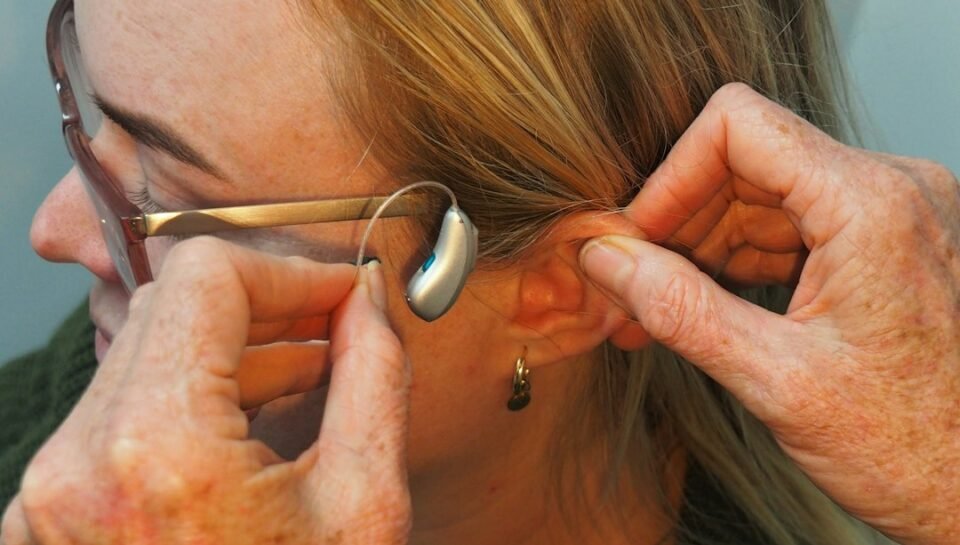
Since the FDA created a category for over-the-counter (OTC) hearing aids in 2022, you can now buy hearing aids at pharmacies, big-box stores, and online without seeing a hearing professional. That is good news for access, but it raises a fair question: should you buy OTC, or get prescription hearing aids from an audiologist?
The answer depends on how much hearing loss you have, how comfortable you are with technology, and how much support you want.
What are over-the-counter hearing aids?
OTC hearing aids are FDA-regulated devices for adults 18 and older with perceived mild to moderate hearing loss. You fit and adjust them yourself, usually with a phone app or a few preset programs. No hearing test or prescription is required.
What are prescription hearing aids?
Prescription hearing aids are any hearing aids that are not OTC. They are selected, fitted, and programmed by a licensed professional based on your hearing test. They cover every level of hearing loss, from mild to profound, and they are the only option for children under 18.

Side-by-side comparison
Who they are for
- OTC: adults with mild to moderate loss who are comfortable self-fitting.
- Prescription: all ages and all levels of hearing loss, including severe and profound.
Fitting and programming
- OTC: you adjust settings yourself, based on how things sound to you.
- Prescription: programmed to your audiogram and checked with measurements in your ear, then fine-tuned at follow-up visits.
Support
- OTC: support is by phone, chat, or app, and varies by brand.
- Prescription: includes in-person follow-ups, cleanings, adjustments, and repairs.
Cost
- OTC: often a few hundred dollars up to about $1,500 or more per pair.
- Prescription: often a few thousand dollars per pair, usually bundled with professional care. Insurance or VA benefits may apply.
When OTC hearing aids can make sense
- You have mild trouble hearing, mostly in noisy places.
- You have no ear pain, drainage, dizziness, or sudden changes.
- You are comfortable using a smartphone app to make adjustments.
When to see an audiologist first
- Hearing loss that came on suddenly or is worse in one ear
- Ringing in one ear, ear pain, fluid, or dizziness
- You struggle to follow conversation even in quiet rooms
- You tried OTC hearing aids and they did not help enough
A hearing test is useful even if you plan to buy OTC. It tells you whether your hearing loss is in the mild to moderate range and rules out medical problems like wax blockage or infection. Read our guide on what to expect at a hearing test to see how simple it is.
The bottom line
OTC hearing aids are a reasonable choice for some adults with mild loss. Prescription hearing aids give you a precise fit, a wider range of power, and ongoing professional care. If you are unsure which group you are in, start with a hearing evaluation.
This article is general information, not medical advice. Your audiologist can tell you what fits your hearing and health.
Have questions about your hearing? Call Smokey Mountain Audiology at (865) 428-6222 to book a visit with Dr. Julie Corrado at our office at 1027 Ernest McMahan Rd in Sevierville. We see patients Monday through Thursday, 8:00 am to 4:30 pm.