

Types of Hearing Aids: Behind-the-Ear, In-the-Ear, and More
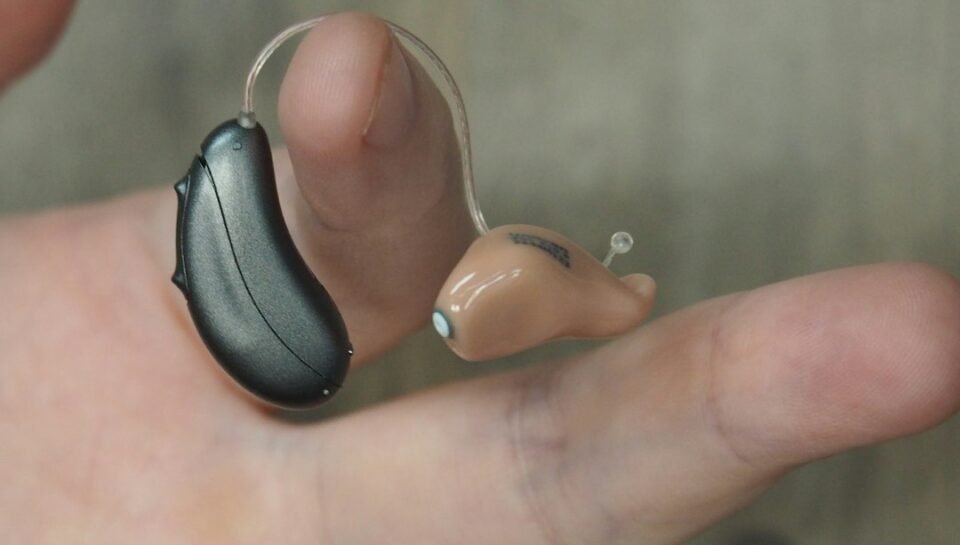
Hearing aids come in several styles. The right one depends on your degree of hearing loss, the shape of your ear canal, your dexterity, and what features you want. Here is a plain-language guide to each type.
Behind-the-ear (BTE) hearing aids
A BTE hearing aid sits behind the ear and sends sound through a clear tube into a custom earmold or a soft dome in the ear canal.
- Best for: mild to profound hearing loss, children, and people who need extra power.
- Pros: durable, easy to handle, room for larger batteries and stronger amplifiers.
- Cons: more visible than smaller styles.
Receiver-in-canal (RIC) hearing aids
RIC hearing aids, also called RITE, are the most popular style today. They look like a small BTE, but the speaker (receiver) sits inside the ear canal at the end of a thin wire.
- Best for: mild to severe hearing loss.
- Pros: small and discreet, natural sound, often rechargeable with Bluetooth streaming.
- Cons: the receiver in the canal can be affected by earwax and moisture.

In-the-ear (ITE) hearing aids
ITE hearing aids are custom made from an impression of your ear and fill the outer bowl of the ear.
- Best for: mild to severe loss, and people who want controls that are easy to reach.
- Pros: one piece, easy to insert, fits well with glasses.
- Cons: more visible than smaller custom styles, and can pick up wind noise.
In-the-canal (ITC) and completely-in-canal (CIC)
These custom styles sit partly or fully inside the ear canal.
- Best for: mild to moderate loss.
- Pros: very discreet, and the ear’s natural shape helps with sound direction.
- Cons: small batteries, fewer features, and harder to handle with arthritis or limited dexterity.
Invisible-in-canal (IIC)
IIC devices sit deepest in the canal and are close to invisible. They suit a narrower group of people with the right ear canal shape and mild to moderate loss.
How to choose the right style
- Degree of hearing loss: more power usually means a larger device.
- Dexterity and vision: larger styles are easier to clean and handle.
- Features: rechargeable batteries and phone streaming are easier to fit in BTE and RIC styles.
- Ear health: frequent ear infections or heavy wax can rule out some styles.
If you are still deciding whether you need a prescription device at all, read our comparison of prescription vs. over-the-counter hearing aids. Your style choice should always start with a hearing test, since your results narrow down which styles can give you enough power.
This article is general information, not medical advice. Your audiologist can tell you what fits your hearing and health.
Have questions about your hearing? Call Smokey Mountain Audiology at (865) 428-6222 to book a visit with Dr. Julie Corrado at our office at 1027 Ernest McMahan Rd in Sevierville. We see patients Monday through Thursday, 8:00 am to 4:30 pm.